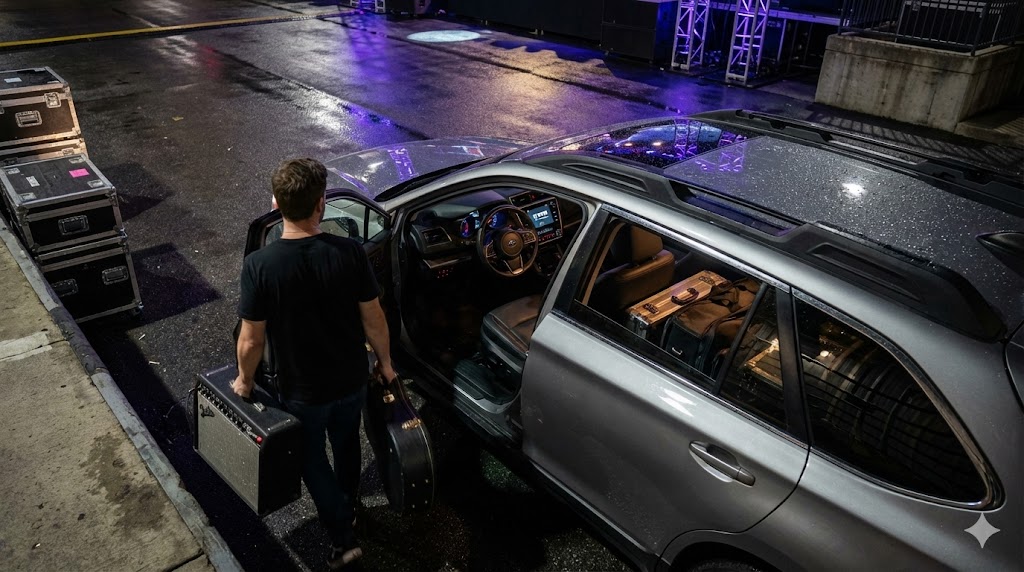
Music tours, whether national or international, rely heavily on logistics. From the transport of sensitive instruments and audio equipment to ensuring the comfort of performers and crew, the vehicles used for touring are critical assets. A Remote Car Starter system offers crucial benefits, making long stretches on the road and challenging venue parking situations much more manageable.
The Unique Needs of Music Tour Vehicles
Tour vehicles, often including large vans, buses, or Remote Start for Trucks, face environments ranging from freezing cold theater parking lots to scorching hot festival grounds. When time is tight, every minute spent preparing the vehicle is a minute lost.
Climate Control and Comfort
One of the most immediate benefits of a remote start system is climate preconditioning. Before loading up gear or driving to the next city, the driver or crew can remotely start the engine. This allows the vehicle’s cabin to reach a comfortable temperature, clearing icy windows during winter stops or cooling down a hot interior during summer tours.
This is especially useful for managing temperature-sensitive equipment, which can suffer damage if exposed to extreme heat or cold while waiting in the vehicle. The ability to activate the climate control functions from a distance significantly enhances quality of life during long distance travel.
Maximizing Range and Connectivity
Touring often requires parking in large, congested areas such as stadium lots, concert venues, or remote festival sites. The effective range of the remote starter becomes paramount in these scenarios. Standard one-way systems might not suffice when the bus or van is parked far away. Touring professionals benefit immensely from a Long Range Remote Starter or systems that incorporate cellular technology.
Systems featuring Car Remote Start App control utilize cellular networks, allowing the driver to start the vehicle, lock doors, or check vehicle status regardless of distance, provided there is cellular service. This functionality is invaluable when checking out of a distant hotel or preparing the vehicle while backstage.
Essential Remote Starter Features for Touring Logistics
Security Integration is Key
Tour vehicles often carry thousands of dollars worth of equipment. The protection of this valuable cargo is non-negotiable. The best remote start options integrate seamlessly with a comprehensive Remote Start Security System.
These systems go beyond basic remote start functions, offering advanced features such as tilt sensors, glass breakage detection, and GPS tracking.
Many premium brands, such as Viper Remote Start Systems, are known for offering robust security integration alongside remote starting capabilities. This dual functionality ensures that while the vehicle is running and warming up, it remains fully secured.
Compatibility with Large Fleet Vehicles
Unlike typical passenger cars, tour logistics often involve large transport vehicles like vans and heavy-duty trucks. It is essential to choose a system compatible with these larger platforms. Systems designed for Remote Car Starter for Vans or commercial trucks offer the necessary wiring harnesses and power requirements.
Some popular aftermarket brands like Viper or Avital Remote Starter provide scalable solutions that can be adapted for fleet use. When evaluating options, look for reviews and models specifically recommended for large commercial vehicles.
Feature Comparison (General Examples)
Note: The prices and feature specifications below are illustrative examples and not sourced data.
| Feature | Basic One Way System | Two Way System | Premium Smartphone App Control |
|---|---|---|---|
| Range | Up to 1,500 feet | Up to 3,000 feet | Unlimited (cellular network based) |
| Confirmation | None | Yes (confirmation on key fob) | Yes (confirmation via app) |
| Security | Engine immobilization only | Basic alarm functions | Advanced alerts and GPS tracking |
| Cost (Estimated) | $150 to $300 (hardware only) | $300 to $500 (hardware only) | $400 to $800 + subscription fee |
Making the Right Choice: Selecting a System
Choosing the Best Remote Car Starter for a music tour involves balancing budget, vehicle compatibility, and required range.
- Assess Vehicle Type: Determine if the vehicle is a sedan, a van, or a Full-Size SUV. Compatibility is the first step.
- Determine Range Needs: If the crew frequently parks blocks away or in massive lots, invest in a high-range system or a cell-based system like app-controlled starters.
- Prioritize Security: Given the high value of tour cargo, security features should not be overlooked. Look for systems that include advanced theft prevention and monitoring.
For tour managers handling multiple vehicles, exploring options suitable for fleet vehicles can ensure standardized installation and management across the entire convoy.
Frequently Asked Questions (FAQ)
Q: Can a remote car starter drain my vehicle’s battery during a long tour stop?
Remote Car Starter systems are designed to monitor battery voltage and generally only run the engine for a set time (usually 10–15 minutes) before shutting off. While all electrical components draw some power, modern systems have minimal standby drain. If the vehicle is parked for several weeks without use, the starter system alone is unlikely to drain the battery, though continuous use of an integrated security system might. See also: Remote Car Starter Range.
Q: Are remote start systems compatible with tour vans or buses that have aftermarket modifications?
Compatibility depends on the specific modifications. For vehicles categorized as Remote Start for Modified Cars, it is essential to consult with a professional installer. Aftermarket systems generally offer higher compatibility across different vehicle types, including those with custom electrical setups.
Q: Why is a two-way system better than a one-way system for touring?
A two-way system sends a confirmation signal back to the key fob, letting the user know that the engine has successfully started, the doors have locked, or the alarm has been set. This confirmation is vital when the vehicle is parked out of sight such as across a stadium lot or behind a venue—offering assurance that the vehicle is prepared for departure or secured against theft. For details, see: Two-Way Remote Starter.