Remote Start For Full-Size Suvs: 2025 Complete Guide
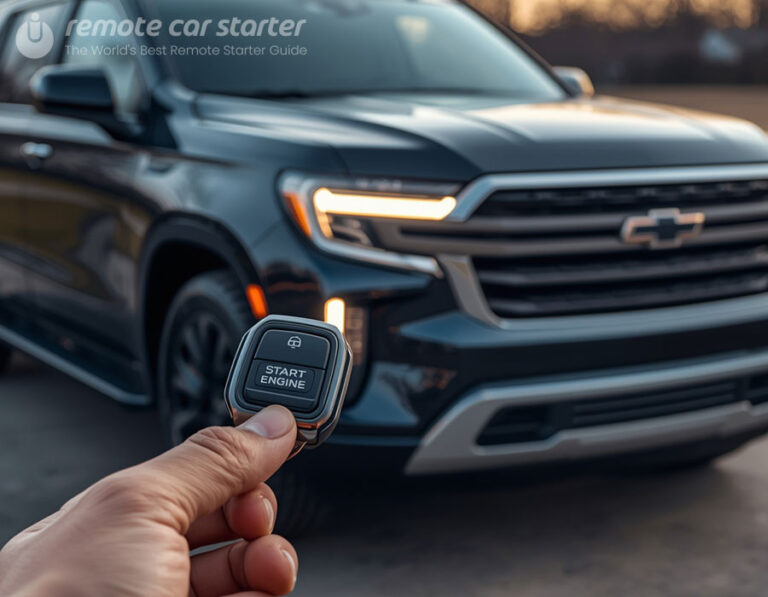
In today’s tech-driven world, a car remote start app has become an essential tool …
Not all vehicles respond the same way to aftermarket technology — especially when it comes to remote start systems. The type of vehicle you own plays a major role in compatibility, performance, and installation complexity of any remote car starter.
In this category, we help users explore how remote starters interact with different vehicle types — from compact sedans to diesel trucks and even electric-hybrid models.
Popular Models: Toyota Corolla, Honda Civic, Hyundai Elantra, Ford Focus
Key Features to Look For:
Basic remote start functionality with lock/unlock integration
Simple installation (often plug-and-play with bypass module)
Budget-friendly options
Sedans are typically the easiest to equip with remote starters. Their electrical systems are straightforward, and most modern models support data-driven bypass modules, which reduce the need to cut wires.
Popular Models: Honda CR-V, Ford Escape, Toyota RAV4, Jeep Cherokee
Key Features to Look For:
Extended range or smartphone control (larger cabins may require longer signal reach)
Integration with OEM key fobs
Consideration of rear defrost/heated seat triggers
SUV owners often want to pre-heat or cool large cabins for family use. Some remote start systems allow automatic activation of rear climate controls, which is ideal for vehicles with third-row seating.
Popular Models: Ford F-150, Ram 1500, Chevy Silverado, Toyota Tundra
Key Features to Look For:
Heavy-duty remote starter kits designed for trucks
Diesel engine compatibility with glow plug delay support
Pre-start routines for towing or cold-weather operation
Trucks often require more robust systems that support longer crank times, diesel-specific configurations, and aftermarket security add-ons. Many truck owners use remote starters to warm up the engine before towing trailers or heavy equipment.
Popular Models: BMW 5 Series, Audi A6, Lexus RX, Mercedes-Benz C-Class
Key Features to Look For:
Compatibility with complex electrical and security systems
Factory integration modules (bypass kits that retain OEM behavior)
App-based starters to maintain premium key fob aesthetics
Luxury cars pose unique challenges for installers. Systems like CAN-bus security, encrypted ignition systems, and push-to-start tech require specialized remote start kits and sometimes dealer assistance. That said, many modern systems now offer seamless installation with no damage to warranty or aesthetics.
Popular Models: Heavy-duty Ford/Ram/Chevy diesel trucks, some European diesel sedans
Key Features to Look For:
Glow plug pre-heat timing (required before engine start)
Support for long crank durations
Engine temperature monitoring features
Remote starters for diesel engines must account for engine prep cycles. Most quality remote start systems now offer diesel delay settings, which wait for glow plug indicators to turn off before engaging the starter. This prevents engine damage and cold-start problems.
Popular Models: Toyota Prius, Hyundai Ioniq, Ford Escape Hybrid, some EVs with gasoline backup
Important Note:
Fully electric vehicles (EVs) like Tesla or Nissan Leaf do not require remote starters, since they do not use internal combustion engines. Cabin temperature is controlled via the mobile app or built-in scheduling.
For Hybrids:
Some support remote start via aftermarket kits or OEM upgrades
Engine may only start if battery charge is low or climate control is needed
Use caution with installation — some hybrids have strict warranty policies
Always check with your manufacturer or a certified installer before adding a remote starter to a hybrid or EV, as battery systems and software may be sensitive to third-party modifications.
Popular Models: Ford Transit, Ram ProMaster, Mercedes Sprinter
Key Features to Look For:
Support for multiple vehicle profiles in one system
Fleet control dashboards for managing remote access
Secure login and scheduling features for dispatch teams
Fleet vehicles often require enterprise-level remote starters with backend access, real-time status reporting, and multi-user login capabilities. These systems can integrate with GPS tracking, maintenance alerts, and security systems for centralized control.
Considerations:
May lack factory security systems
Require manual key start emulation
No CAN-bus, so hard-wired installation is needed
Older vehicles can still support remote starters, but installation is often more invasive. You’ll need a professional installer who understands analog wiring, tachometer sensing, and manual override systems for safety.
No matter what you drive, there’s likely a remote car starter system that fits your vehicle’s needs. But choosing the right one depends on your vehicle type, your climate, and your goals — whether it’s convenience, fleet management, or long-term engine health.
At remotecarstarter.net, this category provides a vehicle-by-vehicle analysis, helping users discover the ideal remote starter systems for their specific make and model. Whether you’re a parent in a minivan or a commercial operator with a 20-vehicle fleet, we’ve got the knowledge you need.
In today’s tech-driven world, a car remote start app has become an essential tool …
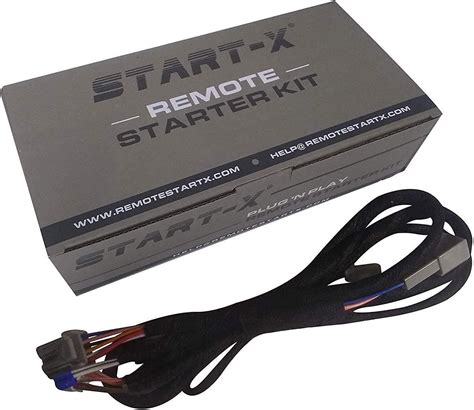
This blog post explores the concept of remote start for trucks, highlighting its benefits …
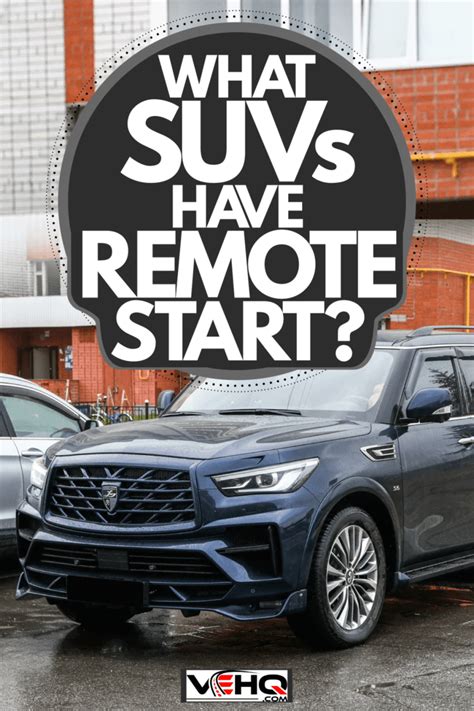
Enhancing convenience and comfort, a remote start system for your SUV can transform your …
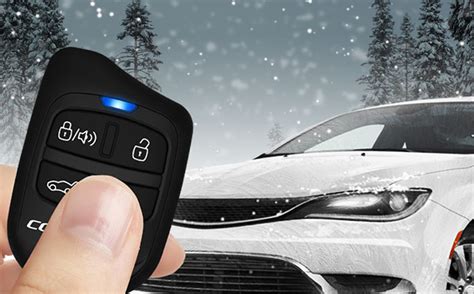
This blog post explores the advantages of implementing a remote start system for hybrid …
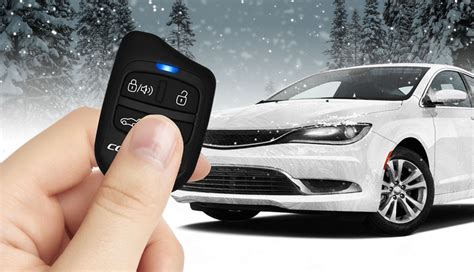
This blog post explores the benefits of remote start for electric cars, highlighting how …
This blog post delves into the advantages of remote start systems specifically for luxury …

This blog post delves into the advantages of installing a remote start system for …

In the blog post Remote Car Starter for Compact Cars, we explore the benefits …

In the realm of luxury travel, a remote car starter is an invaluable addition …

This blog post explores the benefits and features of remote start systems specifically designed …